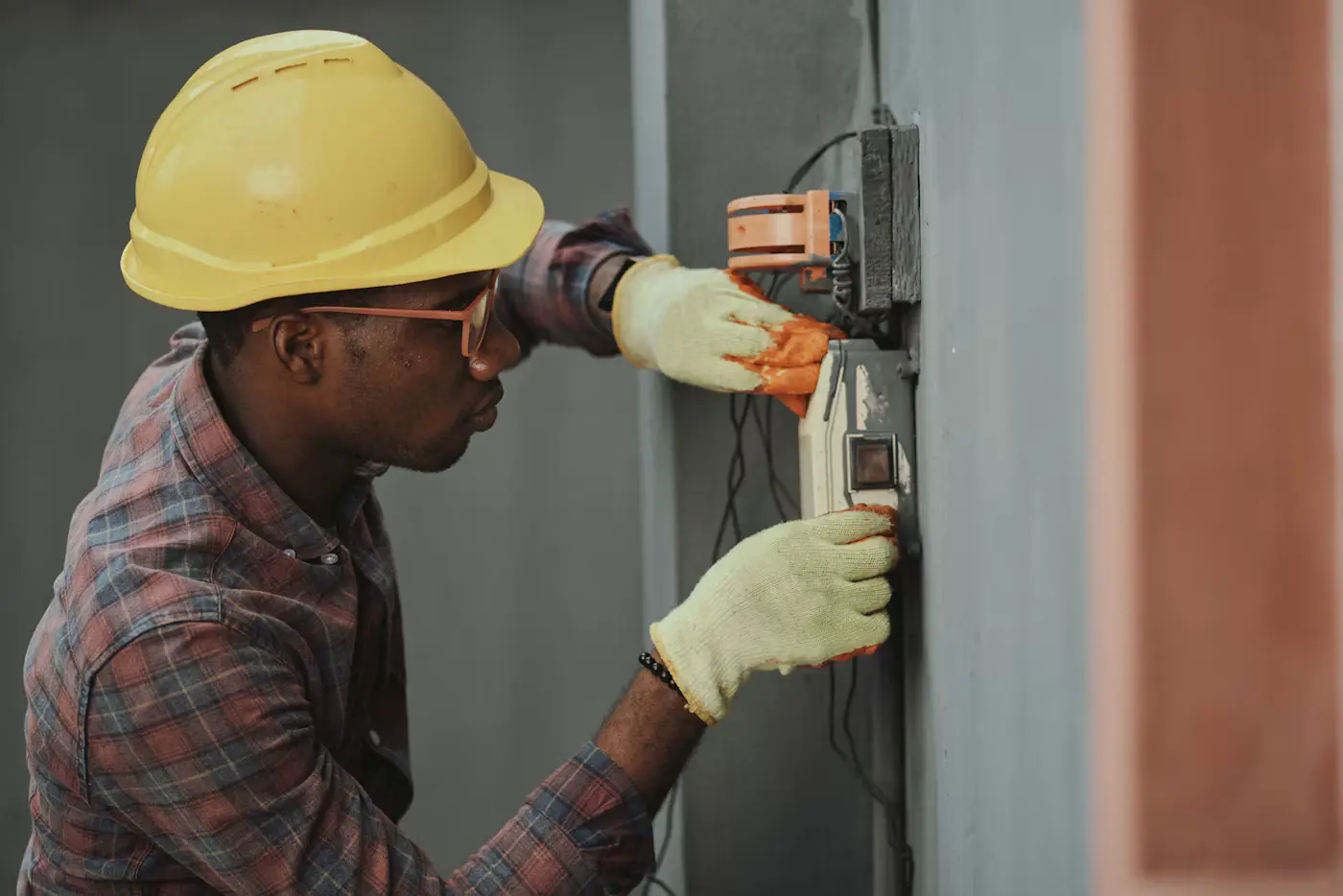
Ensure your home's safety
Electrical Panel Inspection
Your electrical panel is the heart of your home's power system. We perform comprehensive inspections to check for overheating, code violations, and capacity issues before they become dangerous.
Code complianceSafety checkCapacity review
Service overview
Why You Need a Panel Inspection
Many electrical fires start at the breaker panel. Over time, loose connections, rust, or outdated components can cause the breakers to fail to trip, allowing circuits to overheat.
If you are buying a new home, adding a major appliance (like an EV charger or hot tub), or experiencing frequent breaker trips, an inspection is crucial. We also check for unsafe panel brands like Federal Pacific or Zinsco that are known fire hazards.
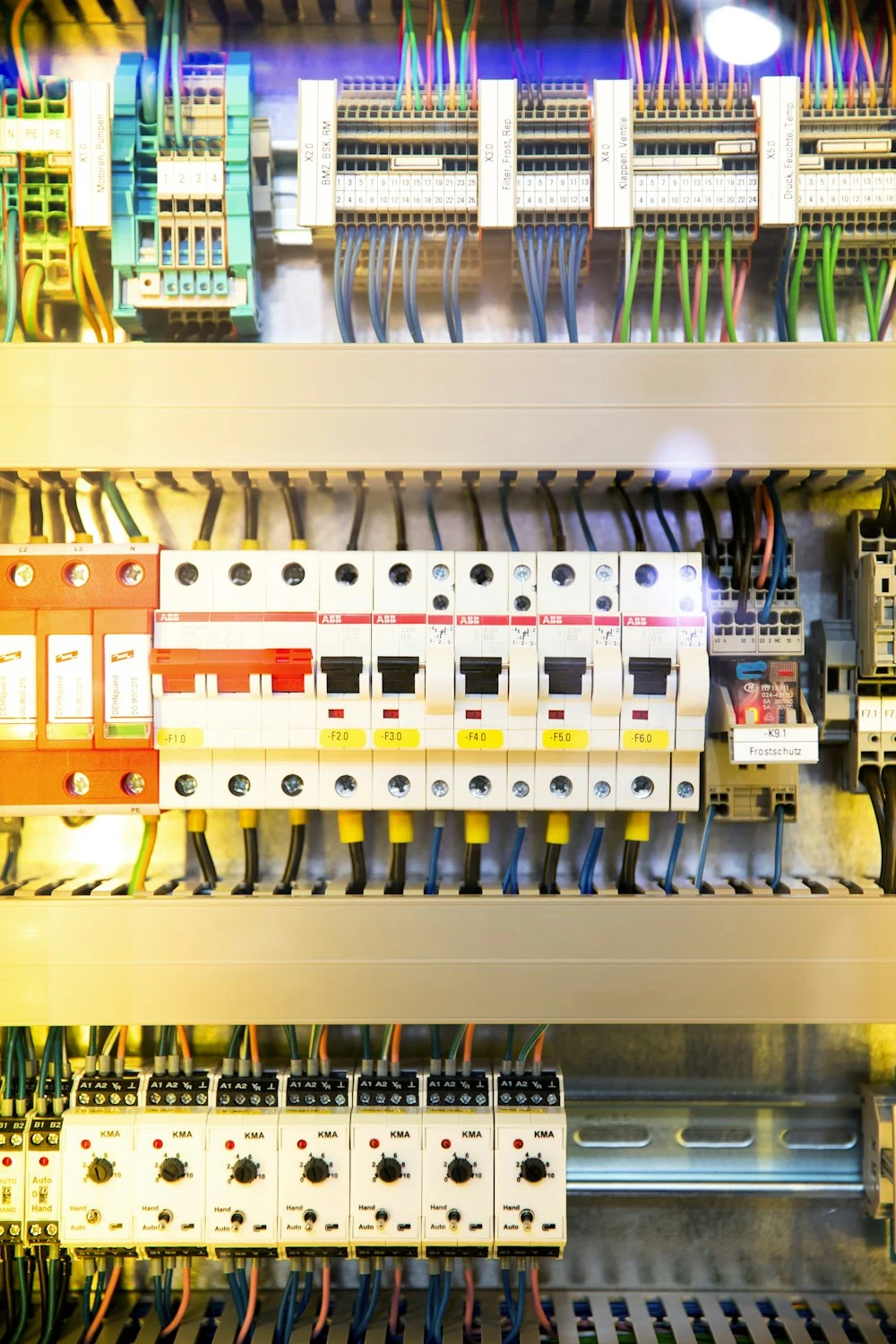
Our electricians remove the panel cover and perform a detailed visual and electrical check. You get a clear explanation of what is safe, what is failing, and what needs to be upgraded.
WarningNever remove the dead front of an electrical panel yourself. The main lugs remain energized even with the main breaker off.
What we check
Key Areas of Our Inspection
We leave no stone unturned when it comes to your panel's safety.
What's included
Our Inspection Process
A thorough evaluation of your home's electrical distribution.
Panel Cover Removal
We safely remove the dead front to expose the internal wiring and bus bars.
Thermal Check
We look for signs of heat damage and verify that no breakers are running too hot.
Torque Check
We ensure the main lugs and neutral bars are tight (as loose connections cause fires).
Double-Tap Check
We look for improperly installed "double-tapped" breakers that can overload a circuit.
Code Verification
We ensure the panel meets current NEC and local Florida codes.
Detailed Report
We put the cover back on and explain our findings, giving you a plan of action.
The service timeline
How We Inspect Your Panel
A safe, methodical approach to diagnosing your system.
Schedule & Prep
We schedule a time and ask you to clear access to the panel.
Initial Visual
We check the outside of the panel for rust, heat, or physical damage.
Internal Inspection
We remove the cover and inspect the breakers, wiring, and main lugs.
Voltage Testing
We use a meter to verify voltage on both legs and check the grounding.
Reassemble & Review
We safely put the panel back together and review the findings with you.
Use cases
When to Request an Inspection
Don't wait for a problem. Get peace of mind with a professional check.
Adding an EV Charger
You want to install a Level 2 charger. → We inspect the panel to ensure it has the capacity to handle the extra load.
Frequent Breaker Trips
Your breakers trip constantly. → The panel may be overloaded or failing. We diagnose the cause.
Safety hazards
What We Look For
These are dangerous conditions we frequently find during inspections.
Double-Tapped Breakers
Two wires under one breaker screw can overload the circuit and cause a fire.
Melting Insulation
Wire insulation melting near the breakers means the circuit is overheating.
Rust & Corrosion
Moisture inside the panel leads to corrosion and failure of the breakers.
Wrong Breaker Size
An oversized breaker won't trip in time, allowing the wire to overheat.
How often should an electrical panel be inspected?
It is recommended to have your electrical panel inspected every 3 to 5 years, or if you are buying a home, adding a major appliance, or experiencing frequent breaker trips.
What happens during a panel inspection?
We remove the panel cover to visually inspect the breakers, wiring, and bus bars. We look for signs of overheating, rust, loose connections, and verify that the panel is properly grounded.
How do I know if my panel needs to be replaced?
Signs include a burning smell, rust, frequent breaker trips, a panel brand known to be dangerous (like Federal Pacific or Zinsco), or if you need to add new circuits but the panel is full.
Why are Federal Pacific or Zinsco panels dangerous?
These older panels have a high failure rate. The breakers often fail to trip during an overload, which can lead to electrical fires. They should be replaced.
Can I add more breakers to a full panel?
If your panel is full, you may need a subpanel or a full panel upgrade. We can evaluate your capacity to see if tandem breakers or a new panel is the right solution.
Will an inspection tell me if my wiring is safe?
A panel inspection evaluates the main connection points. If we spot aluminum wiring, damaged insulation, or cloth wiring, we will recommend further evaluation of the circuits.
Protect your home
Is Your Panel Safe?
Don't wait for a flicker or a trip. Contact us today to schedule a comprehensive electrical panel inspection.

Talk with the local team
Request a Panel Inspection
Contact us for all your electrical service needs. Our professional team is ready to answer your questions, discuss your requirements, and provide reliable solutions tailored to your needs.
Service Areas
AREAS WE SERVE
Our qualified electricians serve homeowners across these Florida communities. Select your area to learn more about local service.